
Why Understanding Your Hormones Is Key to A Comfortable Menopause
Share It!
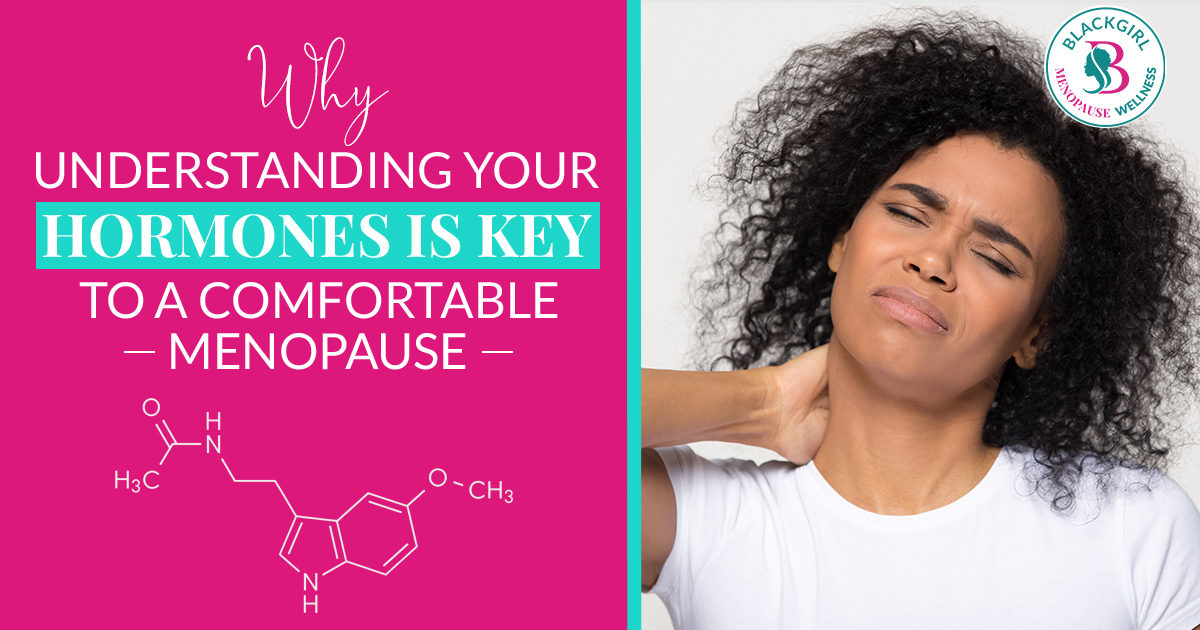
One of the missing conversations, or areas of knowledge, your doctor will never have with you as a way to understand what is happening in menopause is to do with your hormones. Yet they shape every symptom you experience.
It’s no wonder that when menopause arrives, it can feel like an alien has taken over your body.
It shouldn’t feel that way.
In this blog, we are going to change that. We are going to take you inside your body so you can understand what is pulling the strings on how you feel during menopause — your hormones — and why balance matters.
What Are Hormones?
Hormones shape how you move through the world. They act as chemical messengers released by glands in the endocrine system. Once released into the bloodstream, they travel to cells that carry the right receptors. When the message is received, the cell responds². They guide your energy, your mood, our temperature, our appetite, and our sense of calm. They work behind the scenes, carrying messages from one part of the body to another – metabolism, growth, mood, reproduction, cognition, and temperature regulation all respond to hormonal signals².
Your hormones rarely work alone. They function as a network. Key players in menopause; estrogen, progesterone, cortisol, insulin, thyroid hormones, and melatonin influence one another in subtle ways³. When one changes, others often respond.
Menopause Triggers a New Hormone Profile in the Body
By midlife, the reproductive hormonal profile that began in puberty to facilitate fertility shifts as menopause begins. During menopause, you can feel as though you have lost control over your body. You wake up tired, even after a whole night’s sleep. Your body feels heavy. You cry at the smallest comment. By evening, you feel wired and restless, even though all you want is sleep.
What often goes unspoken is that behind the scenes, your reproductive hormones have shifted.
Perimenopause Signals a Change in Your Hormonal Rhythm
The start of transition into menopause, perimenopause, varies for each woman but commonly occurs sometime in the late 30s to 40s1. During this time, the brain and ovaries communication changes, and progesterone, often the first reproductive hormone, declines, while the rise and fall in estrogen becomes uneven. Where some days you have more and some days you have less. These changes influence the brain areas that regulate mood, sleep, and temperature⁴. They also interact with cortisol, the hormone linked to stress, and insulin, which manages blood sugar⁵.
When signals change, the body adapts in visible ways. Many women describe this stage as feeling “off.” The body feels louder. Emotions feel closer to the surface. Sleep feels lighter. Warmth rises suddenly, then fades. These experiences often create worry because they appear without warning, but the instability of your hormones, not just your reproductive hormones drive these. But without awareness, this moment can feel confusing.
Postmenopause Establishes a New Baseline for The Rest of Life
Over time, the reproductive hormones settle into new, lower levels as fertility and menstruation end, usually by age 51-55. You might now feel steadier, but new health challenges can manifest, as diet, lifestyle, and environmental factors also impact your hormones.
Your Lifestyle and Environment Is Part of The Story
Modern life adds layers to your menopause experience. Environmental chemicals from the products you use, the foods you eat, contain ‘fake’ estrogen that impacts estrogen metabolization, signaling, and balance. Chronic stress elevates cortisol, which in turn affects reproductive hormone production and the production of every other hormone. Bright lights at night can disrupt melatonin release and contribute to sleep disturbances. Highly processed foods affect blood sugar stability and more. These factors can make natural shifts much more pronounced, and your menopause experience can feel more intense.
Your Symptoms are Pointers to Hormone Imbalance
The symptoms in perimenopause and postmenopause are indicators of imbalance in your body, but also the triggers in your life. Here are some signs of imbalance you can experience:
- Weight changes
- Sensitivity to heat and cold
- Facial puffiness
- Fatigue
- Muscle weakness
- Joint discomfort
- Low mood
- Anxiety
- Changes in appetite
- Lower sexual desire
Your symptoms aren’t only about what is wrong or uncomfortable; they are information about what you can do to support balance.
Creating Harmony in the Body
Here’s four steps you can take to support hormone balance in perimenopause or postmenopause. Small changes shape the internal environment in which hormones operate. These choices create steadiness over time and you feeling better.
1. Stabilizing Blood Sugar
Blood sugar plays a close role in hormonal health. Insulin responds to glucose in the bloodstream, and insulin interacts with estrogen and cortisol⁵. Rapid swings in blood sugar increase fatigue, cravings, and mood changes.
Balanced meals with protein, healthy fats, and fiber support steady energy. Regular eating patterns help maintain stable signals throughout the day. This rhythm reduces stress on the endocrine system and supports calmer hormone communication.
2. Supporting Restful Sleep
Sleep acts as a foundation for hormone regulation. During deep sleep, the body repairs tissues and balances cortisol⁷. Gentle evening routines, consistent sleep times, and calming environments support this process.
Rest allows hormones to reset their signals. With better sleep, many women notice improved mood, clearer thinking, and steadier energy.
3. Softening the Stress Response
Stress affects hormone balance through elevated cortisol. Prolonged stress keeps cortisol elevated, which influences estrogen and progesterone levels⁵. Gentle movement, breathing practices, time outdoors, and moments of quiet support the nervous system. These practices signal safety to the body. When the nervous system settles, hormones respond with greater balance.
4. Supporting Digestion and Detoxification
The liver and gut help process and remove excess hormones from the body⁹. Including fiber-rich foods such as whole grains, increasing hydration, and eating a variety of leafy green vegetables as part of your nutrition choices support this pathway. Additionally, fermented foods support a healthy gut microbiome and facilitate efficient estrogen metabolism⁹.
When digestion flows well, hormonal messages clear with ease. This support reduces symptom intensity over time. These approaches create harmony within the body. They honor the natural changes taking place during menopause.
Perimenopause and postmenopause wellness are integral to hormone health. If you are looking for a comprehensive guide, click on the link below.

With love and health,
Charmaine
Disclaimer
The information presented here is for informational and educational purposes only and is not intended to be used as medical advice. Any statements or claims about the possible health benefits conferred by any products or lifestyle changes have not been evaluated by medical professionals or the Food & Drug Administration and are not intended to diagnose, treat, cure, or prevent any disease. You should consult your health practitioner before changing your diet, taking supplements, or starting any exercise or health program.
References
- National Institute on Aging. What Is Menopause? U.S. Department of Health and Human Services. https://www.nia.nih.gov/health/menopause
- Guyton, A. C., & Hall, J. E. Textbook of Medical Physiology. Elsevier, 2020.
- McEwen, B. S. The Endocrine System and Stress. Endocrine Reviews, 2007.
- Freedman, R. R. Physiology of Hot Flashes. American Journal of Human Biology, 2001.
- Rosmond, R. Stress Induced Cortisol and Metabolic Health. Obesity Research, 2005.
- Albert, P. R., & Newhouse, P. A. Estrogen, Stress, and Depression. Journal of Psychiatry & Neuroscience, 2019.
- National Sleep Foundation. Hormones and Sleep.
- Gore, A. C. et al. Endocrine-Disrupting Chemicals. Endocrine Reviews, 2015.
- Baker, J. M., & Al-Nakkash, L. The Estrobolome and Estrogen Metabolism. Gut Microbes, 2021.




Follow Me