
Why Sleep Becomes Fleeting – Insomnia and Menopause
Share It!
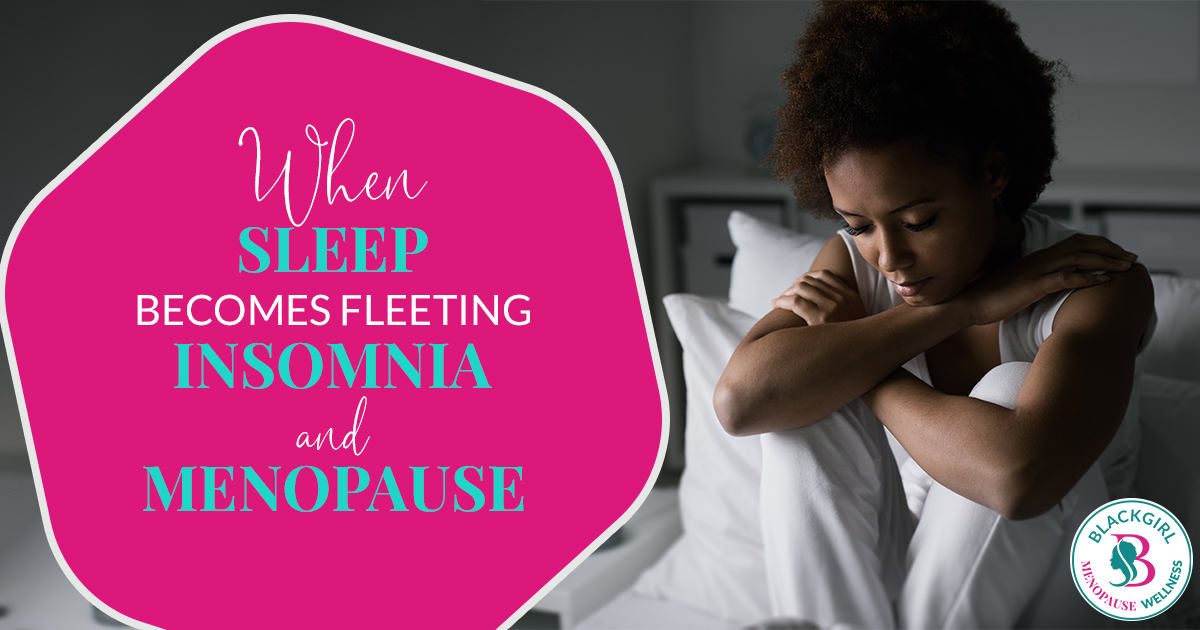
Does this sound like you? Abruptly waking up in the middle of the night. The room is dark. The house is still. You feel wide awake in a way that surprises you. You glance at the clock and see it is somewhere between two and four in the morning. Your body feels alert. Your mind begins to stir. Falling back to sleep, now becomes a struggle if not a fight that you often lose.
You are not alone with this. You, me, and so many Black women in menopause experience sleep changes as insomnia emerges.
I often hear clients share their sleep frustrations – “I find it hard to fall asleep. Or. I fall asleep just fine. Then I wake up. And I stay awake.” There is confusion in those statements. There is also grief. Sleep used to feel like a trusted companion, but now feels like an elusive friend who no longer shows up when she should.
Understanding how insomnia manifest in menopause, and contributing factors and what to do will give you the full picture in knowing you can improve your sleep and experience better rest.
How Insomnia Manifest in Menopause
During the menopausal transition and postmenopause, insomnia is one of the most reported challenges for Black women¹. Insomnia can appear as trouble falling asleep, waking fully during the night, or waking early and feeling alert long before the day begins¹. These changes often unfold slowly. A few restless nights turn into a pattern.
Hormonal shifts play a central role. Estrogen supports sleep depth and stability. As estrogen levels fluctuate and decline, sleep becomes lighter and more easily disrupted¹. Progesterone, which carries calming effects, also changes. Together, these shifts influence how easily the body moves through sleep stages. Research shows that Black women often spend more time in lighter sleep stages, take longer to fall asleep, and wake more frequently during the night². Struggling with insomnia means you are usually sleep-deprived and pushing through daily responsibilities.
In addition, hormonal changes such as cortisol and melatonin affect the body’s circadian rhythm. Sleep and wake timing can drift, creating irregular rhythms that feel unfamiliar². You might start to feel tired during the day while feeling alert at night. This mismatch adds to frustration and worry.
Other Contributing Factors and Insomnia
Though reproductive hormone, cortisol and melatonin changes, are at the heart of your sleep challenges, factors such as hot flashes, poor sleep hygiene, and environmental factors can make what is mild become a severe issue.
1. Sleep Inhibited by Hot Flash and Night Sweats
For many women, hot flashes become the most disruptive part of the night. They arrive suddenly, often without warning. The body heats rapidly. Sweat appears. The heart rate rises. Within seconds, sleep gives way to full wakefulness.
Nearly eighty percent of women experience hot flashes during perimenopause, and many continue to feel them for years after their last period³. For many Black women, hot flash is a daily battle. At night, these episodes carry extra weight. Sleep depends on a stable internal temperature. When estrogen declines, temperature regulation becomes less steady. Blood vessels widen quickly, heat rises, and the body responds with sweating to cool itself⁴.
The physical sensations wake the nervous system. The brain shifts into alert mode. Even when the heat fades, the body remains awake.
Several nighttime triggers can intensify these episodes. Warm rooms, heavy bedding, alcohol, spicy foods, and stress all influence temperature regulation⁴. Over time, the body begins to associate nighttime with disruption. Anticipation alone can make it harder to relax. These experiences feel exhausting because they repeat. Night after night, the body pulls the alarm.
2. Poor Sleep Hygiene Keeps Sleep Away
Sleep responds to a slow nighttime rhythm. If you are compensating for your wind-down time with work mode, the body remains in high alert, as household chores at night trigger cortisol to energize the body and suppress melatonin, so you can feel awake to get things done. You might also compensate for your sleep time by cutting back on when you go to bed and when you wake, so you can get more done, believing you will sleep, which now doesn’t happen.
Over time, late-night chores, irregular bedtimes, and wake times affect the sleep-wake cycle. The body adapts by becoming flexible and alert. During menopause, this flexibility can turn into sensitivity. Hormonal shifts make the system less forgiving of disruption⁵.
Caffeine, alcohol, and late meals also shape sleep. Caffeine stimulates the nervous system. Alcohol may bring drowsiness early in the evening while fragmenting sleep later in the night⁵. Late eating signals the body to be active when rest would support recovery. All these activities stimulate the stress response, making you more alert at night rather than relaxed.
Physical activity influences sleep as well. Regular movement supports deeper rest, while extended periods of inactivity can affect both sleep quality and metabolism⁵. These connections feel subtle during busy years and become more visible during hormonal transition.
Many women also carry the weight of mental effort into bed. The mind reviews conversations, plans tomorrow, and replays worries. When wakefulness appears at night, the brain begins to watch the clock. Sleep starts to feel like a task. The bed becomes a place of effort rather than ease.
3. Inadequate Sleep Environment
A proper sleep environment is not something we might have given thought to when falling asleep occurs on clockwork. But many environmental factors influence the circadian rhythm that regulates the sleep-wake cycle and melatonin release: sounds, light, and temperature. Your sleep environment might not be ideal; noise drifts in, bright lights creep in, and the room temperature is too hot. During menopause, sensitivity to heat and sound often increases, making falling asleep feel even more challenging⁵.
Holding this all, in context matters. Sleep is shaped by where and how you live. Understanding this helps move the conversation away from personal fault and toward realistic change.
Consequences of Sleep Deprivation
Good sleep matters deeply. It is more than feeling rested and having energy to get things done. Good sleep supports mood, memory, metabolism, immune health, and the body’s stress management. On the other hand, lack of sleep leads to a host of health issues such as hypertension, diabetes, depression, diabetes, anxiety, weight gain, sleep apnea, and heart disease6.
Learning to Take Your Sleep Seriously
When sleep fragments night after night, you might begin to fear permanence. A quiet belief forms. “This is just how it is now.” That belief adds tension. Tension feeds wakefulness.
There is another way and that is to start to take your sleep seriously by creating a nighttime routine that support your changing body sleep needs.
What Helps:
- Keeping your body cool at night is essential. Breathable fabrics, lighter bedding, improved airflow, and slightly cooler room temperatures reduce nighttime awakenings⁴.
- Evening routines that signal calm help the nervous system settle. Soft lighting, gentle stretching, journaling, or slow breathing invite the body into rest.
- Consistent wake times support the internal clock. Morning light exposure helps anchor daily rhythm. Regular meal timing and earlier dinners reduce nighttime stimulation⁵. These shifts work gradually, building trust between body and bedtime.
- The bedroom environment also matters. Quiet, darkness, and physical comfort support deeper sleep. Small adjustments can create meaningful change when the body feels sensitive.
Use these approaches to create your nighttime routine and send a clear signal to your sleep systems to get ready for slumber. Experiment to find out the bedtime, sleep strategies, and practices that work best for your nighttime routine, as this reshapes how your brain approaches sleep.
Returning to Rest, One Night at a Time
Menopause marks a time of renewal. Insomnia often reflects this process first. It signals hormonal change, accumulated habits, environmental influence, and emotional load that might be out of alignment.
Understanding the interconnectedness of it all holds the solution. If your nights feel long and your sleep feels fragile, and you are looking for a clear plan of action to support your body and improve your rest, check out the eBook below. With support and understanding, rest can become more familiar again.
You might be interested in the following.
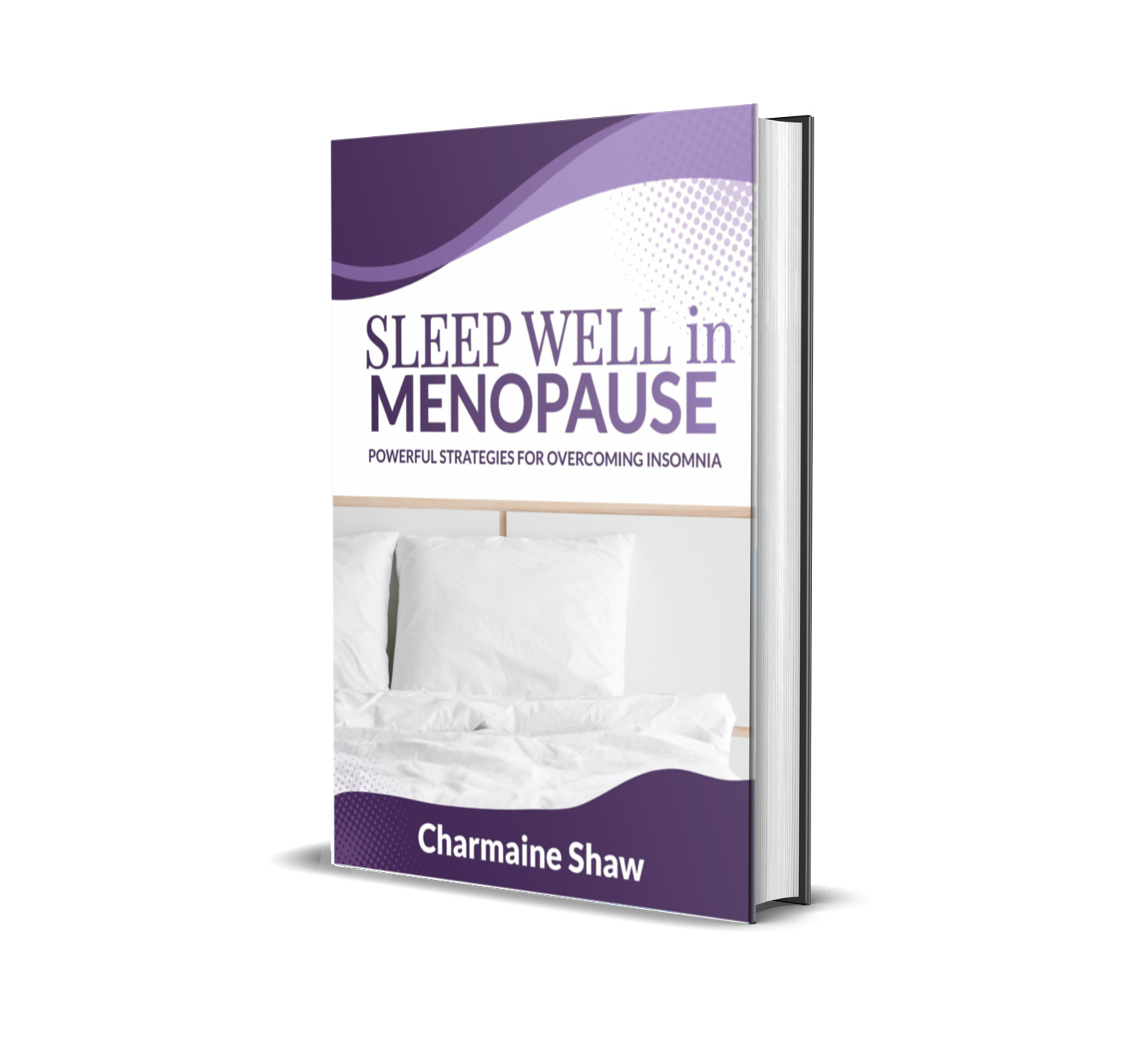
SLEEP WELL IN MENOPAUSE: Discover How to Experience Better Rest
Hear me when I say this: insomnia can feel like a new normal in perimenopause and postmenopause, but you can break free and experience better rest! Click the link below to get immediate access to Sleep Well in Menopause and break free from insomnia. It’s time to change how menopause impacts your sleep.
With love and health,
Charmaine
Disclaimer
The information presented here is for informational and educational purposes only and is not intended to be used as medical advice. Any statements or claims about the possible health benefits conferred by any products or lifestyle changes have not been evaluated by medical professionals or the Food & Drug Administration and are not intended to diagnose, treat, cure, or prevent any disease. You should consult your health practitioner before changing your diet, taking supplements, or starting any exercise or health program.
References
- Skibiak, K., et al. The influence of menopausal status on sleep quality in different populations – a narrative review. Menopause Review, 2024. https://www.termedia.pl/The-influence-of-menopausal-status-on-sleep-quality-in-different-populations-a-narrative-review,4,56060,1,1.html
- Kravitz, H. M., et al. Sleep disturbance during the menopausal transition in a multi-ethnic community sample of women. Sleep, 2008. https://pmc.ncbi.nlm.nih.gov/articles/PMC2491500/
- Jehan, S., et al. Sleep disorders in postmenopausal women. Journal of Sleep Disorders & Therapy, 2015. https://pmc.ncbi.nlm.nih.gov/articles/PMC4621258/
- Bansal, R., & Aggarwal, N. Menopausal hot flashes: A concise review. Journal of Midlife Health, 2019.
- Kravitz, H. M., Kazlauskaite, R., & Joffe, H. Sleep, health, and metabolism in midlife women and menopause: Food for thought. Obstetrics and Gynecology Clinics, 2018. https://pmc.ncbi.nlm.nih.gov/articles/PMC6338227/
- Institute of Medicine (US) Committee on Sleep Medicine and Research; Colten HR, Altevogt BM, editors. Sleep Disorders and Sleep Deprivation: An Unmet Public Health Problem. Washington (DC): National Academies Press (US); 2006. 3, Extent and Health Consequences of Chronic Sleep Loss and Sleep Disorders. Available from: https://www.ncbi.nlm.nih.gov/books/NBK19961




Follow Me