
Top 10 Hormone-Balancing Foods for Menopause
Share It!
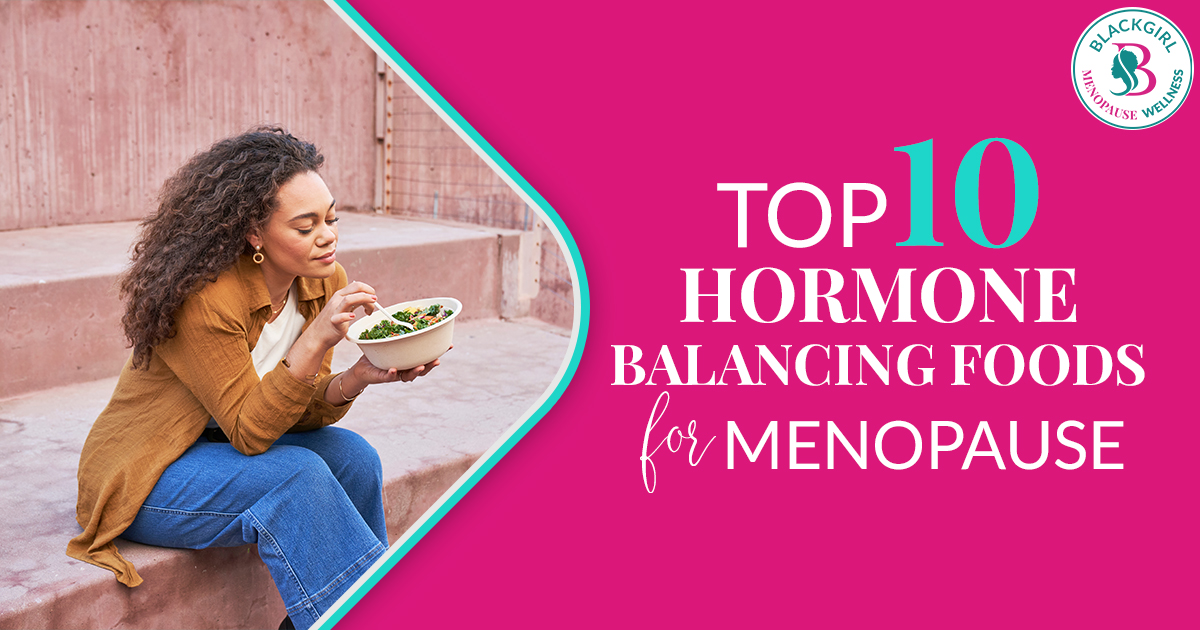
If you have been wondering what you can do to balance your hormones, it is simpler than you think.
It lies in what you eat! The food choices you make each day are the fuel behind your hormones. Food is not just fuel. It is a conversation between your brain and your hormones to regulate metabolism, mood, bone health, and even how the liver and gut process hormones¹.
Menopause triggers a new hormone profile – in perimenopause, hormones become unstable, and in postmenopause, levels are much lower. Therefore, choosing foods that support healthy hormone function and balance is key to a comfortable menopausal experience.
|Check out the post on why understanding your hormones is key to a comfortable menopause here|
Understanding Your Body’s New Rhythm
Your biology is unique, and the foods that work for someone might have a different effect on your hormones and body. Also, hormonal changes during menopause influence how food interacts with systems such as the stress response, blood sugar regulation, and hormone metabolism.
Identifying the foods that support hormone harmony in you comes down to listening to your body and keeping a daily food journal of what you eat and how you feel. In this way, you will know what works best for you and meet these new needs with compassion.
My Top Then Hormone Balancing Foods
Let’s explore what these are.
1. Maca – The Hormone Booster
One of my top favorite hormone foods is Maca because of the variety of benefits it provides. Maca is a hormonal adaptogen, meaning it contains nutrients that help balance hormones. How does it help? First, it helps balance adrenal cortisol levels that may be out of balance due to stress. It can help prevent the effects of high cortisol and improve adrenal function despite low cortisol levels. It also helps with low thyroid function, stabilizes blood sugar levels, and improves energy levels. Maca also helps with sexual function. Some studies show that Maca may help ease common menopausal symptoms and support mood and energy levels.
How to use: You might add maca powder to smoothies, yogurt, or warm cereals. Its earthy flavor becomes familiar, like an old friend helping your body feel steadier from the inside out.
2. Broccoli & Cauliflower – The Hormone Detoxifiers
The truth is, I might have a broccoli and cauliflower addiction, as I eat them every day, long before I really realize the benefits for hormone health, since they support my digestion. As members of the cruciferous family, vegetables like broccoli and cauliflower are not only rich in prebiotic fiber that supports gut bacteria, which is important for hormone balance, but they also contain plant compounds such as indole-3-carbinol and diindolylmethane (DIM). These compounds support the liver in breaking down and detoxifying estrogen and other hormones, helping the body find balance.
How to use: Cook version is best. Adding broccoli and cauliflower to stir-fry’s, roasting them with a drizzle of olive oil, or tossing them into salads can bring both color and hormonal support to your plate.
3. Flaxseeds – The Hormone Communicator
Flaxseeds are well-known source of lignans a type of phytoestrogens that are plant-based compounds that have estrogen-like actions in the body. These compounds support hormone balance by locking onto estrogen receptor sites and block real estrogen from locking on, forcing it to be detoxed out of the body when estrogen levels are high, and when it is low, they can trick the body into thinking that needed estrogen is there, allowing the activity to occur. This superfood is also known to reduce hot flashes, mood changes and vaginal dryness as phytoestrogens act similar to estrogen in the body. The same study shows consuming as little as 40 grams a day is enough to observe these changes.
How to use: You can always find interesting ways to add this superfood to your diet. For example, by adding it to your smoothies, wraps and salads. Other option is flaxseed oil.
4. Wild Salmon – The Hormone Booster
Another top choice for me is wild salmon. This fatty fish is rich in omega-3 fatty acids, which are essential for hormone production. Healthy fats like these also support proper cell signaling, helping to maintain hormone balance. Additionally, wild salmon is a great source of vitamin D, an important nutrient for hormonal equilibrium.
How to use: Best prepared by baking or steaming with minimal oil, salt, and black pepper. Serve it alongside broccoli, cauliflower, and avocado for a complete hormone-friendly meal.
5. Tofu – The Complicated Hormone Helper
A couple times I incorporate tofu into my diet, but it does have mixed research. As a soy product, tofu contains phytoestrogens, known as isoflavones, which mimic estrogen in the body. Some studies suggest a positive impact on women in postmenopause due to its effects on estrogen levels, which can improve bone health and reduce hot flashes. However, because of its estrogenic properties, it may adversely affect some women.
How to use: Always opt for organic tofu. It can be pan-fried, steamed, or scrambled with garlic and onions can for an extra boost to hormone health.
6. Garlic & Onions – Hormone Support
If you think of adding flavor to cooking then onion and garlic are at the top. But they are so much more than flavor but hormone healers, and detoxifiers. Onions and garlic carry sulfur-rich compounds and prebiotic qualities that support liver detox pathways and encourage healthy gut bacteria. In this way they are key hormone support.
How to use: Sautéed together, they can be the foundation of soups, stews, stir-fries, and sauces – everyday foods that whisper support into each bite.
7. Avocado and Olive Oil – Fats That Speak Comfortably to Hormones
If you are an island girl like me, avocado is a staple in most meals, but do you know the benefits for hormone health, including my now-favorite olive oil? Both avocado and olive oil contain monounsaturated fats that not only support hormone health but also many other systems of the body, including heart health. Quality fats help create cell membranes that allow hormones to communicate with cells smoothly, enhancing balance.
How to use: Slice avocado on toast, olive oil drizzled over roasted veggies, or sauteed veggies invite richness and health.
8. Chia Seeds & Hemp Seeds – Tiny Giants of Omega Balance
Seeds like chia and hemp are small gifts with big hormone benefits. They provide essential fatty acids that support both insulin balance and inflammatory responses, which, in turn, help maintain overall hormone balance. While hemp seeds are rich in Omega-3 fats and essential amino acids, they also contain Gamma-linolenic acid (GLA), which helps with menopausal symptoms such as breast tenderness, depression, irritability, and fluid retention by regulating hormone balance in women.
How to use: Sprinkle them over yogurt, blend them into smoothies, or mix them into muffins for steady nourishment throughout the day.
9. Sea Vegetables – Keep your Thyroid Happy
Sea vegetables such as nori, kelp, and dulse are rich in minerals, especially iodine and selenium, which are important for thyroid function. Estrogen has direct effects on the thyroid gland; therefore, when estrogen levels decline, thyroid function can be affected. An underactive thyroid can show similar symptoms to menopause and also may worsen menopausal symptoms if present. Also, the thyroid plays a central role in metabolism and energy levels, and when it is well cared for, the body can navigate hormonal shifts more easily.
How to use: Sea vegetables can be added to soups, salads, or used as wraps – a salty, mineral-rich touch of the sea.
10. Chickpeas – Gentle Hormone Conversations
A natural favorite of mine in the last couple of years is chickpeas, aka garbanzo beans. This simple legume offers a host of benefits for hormone balance. Firstly, it also contains phytoestrogens, which have estrogen-like actions in the body. These compounds interact gently with hormone receptors, offering a soft echo of estrogen’s presence when levels are changing. Secondly, it is a rich source of fiber that will support gut health and estrogen metabolism. Thirdly, they also contain Vitamin B6, which helps support progesterone production.
How to use: Steam and stir fry with garlic and onion, and serve with Quinoa and cruciferous vegetables for a full and balanced hormone-friendly meal.
Menopause Requires New Dietary Choices
Eating during menopause is not about strict rules or perfection. It is about – listening to your body’s evolving needs and responding with foods that support systems rather than overwhelm them.
A hormone-balancing plate becomes an act of self-care. It is about calm mornings with healthy stir-fry, sprinkled with seeds, mid-day salads bright with greens and lean protein, and dinners made with healthy fats, complex carbs, nourishing veggies and good protein.
Research shows a whole-food diet rich in fruits, vegetables, healthy fats, lean protein and phytoestrogens may ease some menopause symptoms and support overall health. These changes create a pattern – not a prescription – that helps you feel steady, seen, and supported through the natural rhythm of midlife.
If you want to empower yourself with knowledge about the foods that can support your changing body, it all comes down to keeping a food journal. Let food be your ally. Let each meal be a small act of kindness toward your body as it finds its new rhythm.
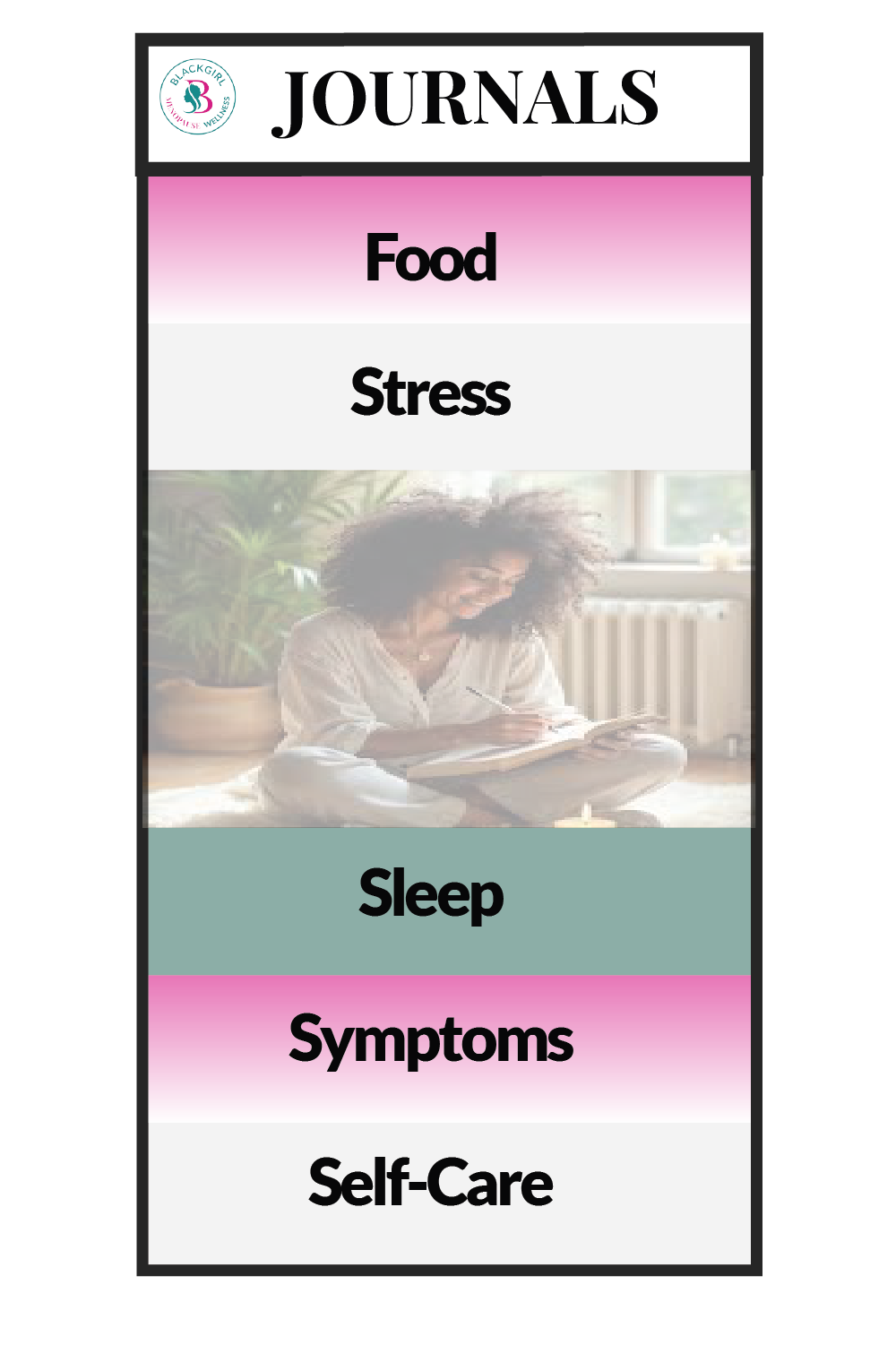
Done for you food journal.
Keeping a food journal is a great way to improve your understanding of your food choices, eating habits, and how they affect your body. By writing down what you eat, you will be able to identify which foods are not helpful, which are helping, and what needs to change to feel better. Take control of your menopause experience today —click the link below to get your copy of the Menopause Management Food Journal!
With love and health,
Charmaine
Disclaimer
The information presented here is for informational and educational purposes only and is not intended to be used as medical advice. Any statements or claims about the possible health benefits conferred by any products or lifestyle changes have not been evaluated by medical professionals or the Food & Drug Administration and are not intended to diagnose, treat, cure, or prevent any disease. You should consult your health practitioner before changing your diet, taking supplements, or starting any exercise or health program.
References
- The Importance of Nutrition in Menopause and Healthy Aging. PMC. https://pmc.ncbi.nlm.nih.gov/articles/PMC10780928/PMC
- Meissner HO, Kapczynski W, Mscisz A, Lutomski J. Use of gelatinized maca (lepidium peruvianum) in early postmenopausal women. Int J Biomed Sci. 2005 Jun;1(1):33-45. PMID: 23674952; PMCID: PMC3614576.
- Ghazanfarpour M, Sadeghi R, Latifnejad Roudsari R, Khadivzadeh T, Khorsand I, Afiat M, Esmaeilizadeh M. Effects of flaxseed and Hypericum perforatum on hot flash, vaginal atrophy and estrogen-dependent cancers in menopausal women: a systematic review and meta-analysis. Avicenna J Phytomed. 2016 May-Jun;6(3):273-83. PMID: 27462550; PMCID: PMC4930534.
- Ford NA, Liu AG. The Forgotten Fruit: A Case for Consuming Avocado Within the Traditional Mediterranean Diet. Front Nutr. 2020 May 29;7:78. doi: 10.3389/fnut.2020.00078. PMID: 32548125; PMCID: PMC7272688.
- Korkmaz, Vakkas & Özkaya, Enis & Çekmez, Yasemin & Leblebıcı, Derya & Dagdevıren, Gulsah & Çınar, Mehmet & Kara, Fadil & Kucukozkan, Tuncay. (2014). Relationship between the body iodine status and menopausal symptoms during postmenopausal period. Gynecological endocrinology : the official journal of the International Society of Gynecological Endocrinology. 31. 1-4. 10.3109/09513590.2014.958986.
- Saghafi N, Ghazanfarpour M, Sadeghi R, Hosseini Najarkolaei A, Ghaffarian Omid M, Azad A, Bakhtiyari M, Hosseini Najarkolaei E. Effects of Phytoestrogens in Alleviating the Menopausal Symptoms: A Systematic Review and Meta-Analysis. Iran J Pharm Res. 2017 Winter;16(Suppl):99-111. PMID: 29844781; PMCID: PMC5963651.
- da Costa Hime LFC, Carvalho Lopes CM, Roa CL, Zuchelo LTS, Baracat EC, de Andrade J, Soares JM Jr. Is there a beneficial effect of gamma-linolenic acid supplementation on body fat in postmenopausal hypertensive women? A prospective randomized double-blind placebo-controlled trial. Menopause. 2021 Feb 1;28(6):699-705. doi: 10.1097/GME.0000000000001740. PMID: 33534427.
- Gonçalves C, Moreira H, Santos R. Systematic review of mediterranean diet interventions in menopausal women. AIMS Public Health. 2024 Jan 10;11(1):110-129. doi: 10.3934/publichealth.2024005. PMID: 38617417; PMCID: PMC11007410.
- Abraham GE. Nutritional factors in the etiology of the premenstrual tension syndromes. J Reprod Med. 1983 Jul;28(7):446-64. PMID: 6684167.


Follow Me