
Surprising Menopause Symptoms Every Woman Should Know
Share It!
It is 2:17 a.m. The house is quiet. The air feels still. And then your heart starts to race. You lie there, wide awake, listening to your own heartbeat. It feels louder than usual. Faster. Almost as if it is trying to get your attention. You take a breath. Then another. You wonder, should you call 911? Then your beat goes back to normal. You wonder, quietly, why no one warned you about this part.
Unusual moments like this can occur often during menopause. Yet they feel personal and unsettling, especially when they arrive without an understanding. You might have heard about hot flashes and mood changes, but no one really talks about the heart palpitations at night, ringing ears, prickly skin, or sudden dizziness that can happen anywhere. When these things happen, it is easy to feel confused or even afraid.
This blog is an invitation to empower yourself about your changing body. Menopause does not speak in one clear voice. It speaks through many systems in the body. Once you understand that, the experience begins to feel less mysterious and more manageable.
Heart Palpitations: When the Heart Speaks First
Heart palpitations often feel dramatic. A flutter. A pounding. A skipped beat that pulls your attention inward. For many women, this becomes the first surprising sign that something has shifted.
Hormones play a quiet role in how the heart behaves. Estrogen helps support healthy blood vessels and steady heart rhythms. As estrogen levels change during menopause, the cardiovascular system learns to adapt as well. This adjustment can make the heartbeat feel more noticeable or irregular at times¹.
These moments often appear during rest. At night. After coffee. During stress. The timing adds to the worry. A racing heart feels urgent, even when the cause is gentle and gradual.
Certain factors can intensify this sensation. Ongoing stress, anxiety, caffeine, smoking, alcohol, and existing heart conditions all add weight to the experience. A sedentary routine or extreme temperatures can also play a role².
What Helps
- Clarity – is it menopause or something else. Keep tabs on your symptoms and have them medically checked.
- Create simple patterns that supports a sense of calm: Slow breathing. Gentle movement. Less caffeine. Quiet moments of rest.
- Nourish your heart: A diet that supports heart health with fruits, vegetables, whole grains, and omega-3 rich foods. Take regular walks.
Over time, you might notice that palpitations soften when stress levels lower and the body feels supported. The brain recognizes a new pattern, it relaxes its grip and the heart begins to feel like a companion again rather than a source of alarm.
Ear Ringing: The Sounds No One Else Hears
Another unusual symptom that can now manifest is a faint ear ringing. A buzzing. A soft hum that follows you from room to room.
You pause and ask, “Do you hear that?”
No one does.
Tinnitus (ear ringing) during menopause can feel unsettling because it blurs the line between inner and outer worlds. The sound feels irritating because it is real to you. Hormones influence blood flow and nerve activity in the inner ear, where balance and hearing live side by side. Estrogen receptors exist in this delicate system, and changes in hormone levels can alter how sound signals are processed³.
Stress often turns up the volume. Anxiety draws attention to the sound and keeps it center stage. Loud environments and certain medications may intensify it as well.
What Helps
- Quieter environments.
- Ear protection in noisy spaces.
- Consistent sleep. Mindfulness practices that soften stress.
- Reviewing medications with a healthcare provider and having your ear ringing checked.
- Hormone Replacement: Research shows where hormone therapy has been associated with a reduced risk of tinnitus in menopausal women³.
Understanding why the sound appeared in the first place can actually silence it.
Paresthesia: When the Skin Starts Talking
Sometimes menopause announces itself like a creeping, crawling visitor rather than a sound. A prickling feeling along the arms. A burning sensation in the feet. Tingling in the hands that appears without warning.
These sensations often arrive during quiet moments. Sitting at a desk. Lying in bed. Waiting at a stoplight.
The nervous system relies on estrogen for protection and balance. As hormone levels shift, nerves may fire more easily, creating new and unusually sensations in the arms, legs, and feet known as paresthesia⁶. The experience can feel strange, as it not a common menopause symptom.
Stress amplifies nerve sensitivity. Vitamin deficiencies, especially B vitamins, influence nerve health as well. Conditions like diabetes or thyroid imbalance may add complexity.
What Helps
- Balanced meals rich in antioxidants.
- Adequate B vitamins through food or supplements when appropriate.
- Gentle exercise that improves circulation. Stress-reducing practices that calm the nervous system. Limiting smoking and alcohol to protect nerve pathways.
These sensations often ease as the body settles into its new rhythm. The skin and nerves adjust. The message grows quieter.
Dizziness: The Moment the World Tilts
Do you sometimes feel like your world is spinning around you, or do you feel off-balance?
Dizziness during menopause has many faces. Light-headedness. A spinning sensation. A feeling of unsteadiness when standing quickly. Hormones influence circulation, fluid balance, and the inner ear’s vestibular system. Estrogen helps regulate these systems, and changes can affect balance⁴.
Dehydration, blood pressure shifts, stress, and certain medications may deepen the experience. Anxiety often joins the moment, making it feel more substantial and more persistent.
What Helps
- Hydration supports circulation.
- Monitoring blood pressure with your health care team brings clarity.
- Vitamins C, D, and E, have been associated with improved balance and reduced dizziness.
- Gentle anxiety management through breathing or mindfulness steadies the nervous system.
Keep this in mind, dizziness fades as you take actions to enhance hormone levels. Understanding the cause transforms the experience from alarming to temporary.
Menopause Transforms Your Biology
When these symptoms appear one by one, they feel disconnected. A heart issue here. An ear issue there. Skin sensations. Balance changes. When viewed together, a pattern emerges.
Menopause touches nearly every system in the body far more than hormone changes. Cardiovascular. Neurological. Sensory. Vestibular. The body speaks through many channels during this transition. Each symptom belongs to the same conversation.
Research shows that menopause influences cardiovascular risk and neurological function over time⁴ ⁵. On the other hand, education and awareness improve quality of life for women navigating this stage². When you are empowered about this new chapter, fear softens and confidence grows.
This understanding does not remove symptoms instantly. It changes how they are experienced. The brain feels safer when it has context. The body feels supported when it is listened to.
Time of Renewal
Menopause is the wakeup call to how you are living. It invites you to listen more closely to your body. To notice what is out of balance. To respond with care rather than mere concern. Many symptoms aren’t pointing to what is wrong with your biology, but often what is wrong in your life.
Heart palpitations become signals to slow down. Ringing ears become reminders to reduce stress. Tingling skin points toward nourishment and rest. Dizziness calls for balance in many forms. Tuning into your biology, tracking your lifestyle habits, and choices can reveal what needs renewal.
Medical guidance always matters. New or concerning symptoms deserve professional attention to rule out other causes. Having clarity that menopause is the source, it’s time to readjust how you live and how you care for yourself and your health.
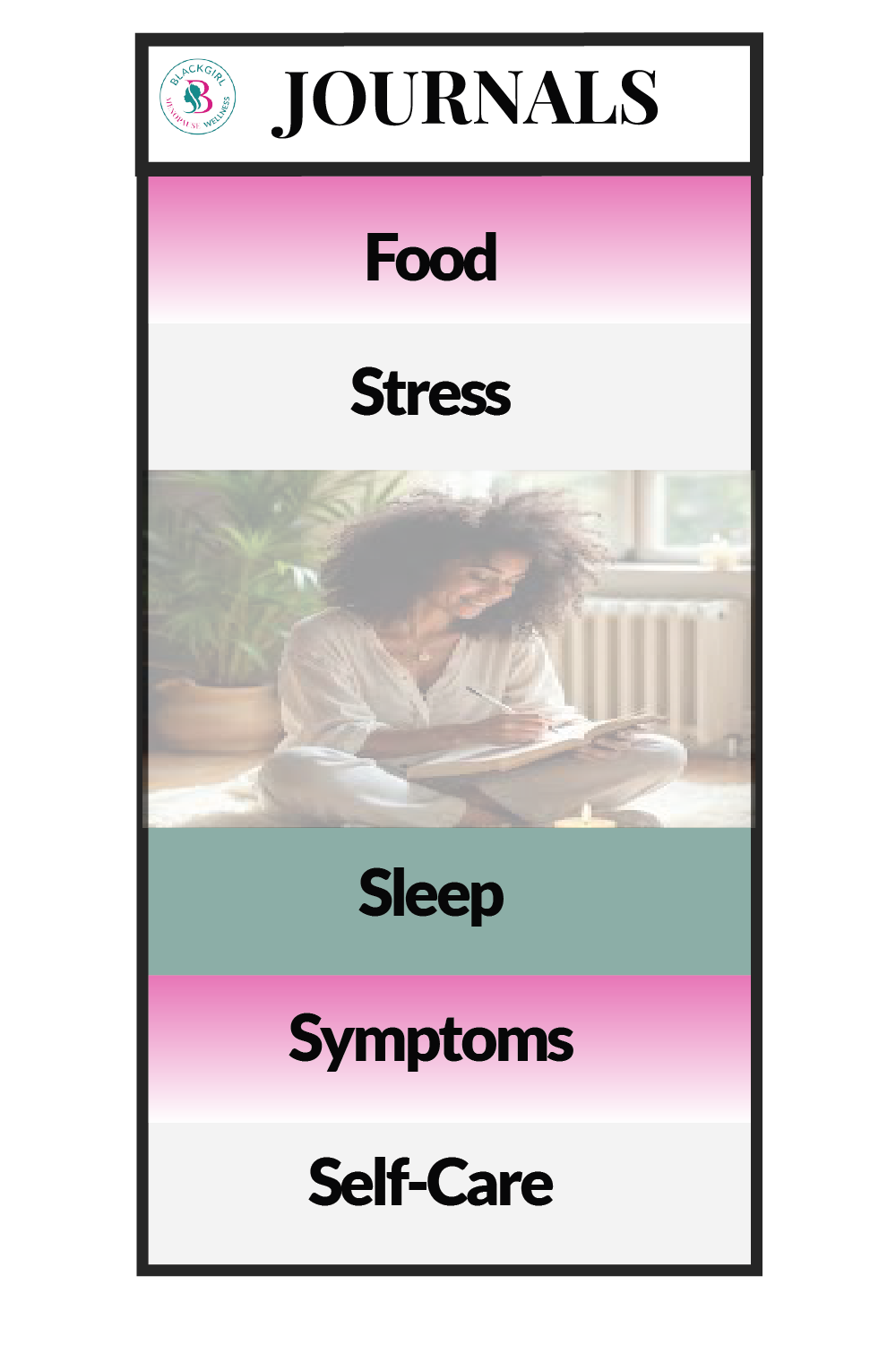
Done for you, tracker.
Perimenopause Symptoms & Triggers DIGITAL Tracker: Build Awareness and Agency
Knowledge is empowering. Keeping tabs on the type, frequency, and severity of your symptoms, and when they occur, can help you know what is normal and what isn’t, plus this information is important to share with your health practitioner for additional guidance. Click on the link below and get your copy of the Perimenopause Symptoms and Triggers Digital Tracker today.
With love and health,
Charmaine
Disclaimer
The information presented here is for informational and educational purposes only and is not intended to be used as medical advice. Any statements or claims about the possible health benefits conferred by any products or lifestyle changes have not been evaluated by medical professionals or the Food & Drug Administration and are not intended to diagnose, treat, cure, or prevent any disease. You should consult your health practitioner before changing your diet, taking supplements, or starting any exercise or health program.
References
- Owada, S., & Suzuki, M. The relationship between vasomotor symptoms and menopause-associated dizziness. Acta Oto-Laryngologica, 2014. https://pubmed.ncbi.nlm.nih.gov/24138120/
- Huang, Z., Shi, J., Liu, W., Wei, S., & Zhang, Z. The influence of educational level in peri-menopause syndrome and quality of life among Chinese women. Gynecological Endocrinology, 2020. https://pubmed.ncbi.nlm.nih.gov/32573286/
- Chen, H. C., Chung, C. H., Chen, V. C., Wang, Y. C., & Chien, W. C. Hormone replacement therapy decreases the risk of tinnitus in menopausal women: a nationwide study. Oncotarget, 2018. https://www.ncbi.nlm.nih.gov/pmc/articles/PMC5929427/
- Zhu, D., Chung, H. F., Dobson, A. J., et al. Type of menopause, age of menopause and variations in the risk of incident cardiovascular disease. Human Reproduction, 2020. https://www.ncbi.nlm.nih.gov/pmc/articles/PMC8453420/
- Kamińska, M. S., Schneider-Matyka, D., Rachubińska, K., et al. Menopause predisposes women to increased risk of cardiovascular disease. Journal of Clinical Medicine, 2023. https://www.ncbi.nlm.nih.gov/pmc/articles/PMC10672665/
- Healthline Editorial Team. Paresthesia: Symptoms, Causes, and Treatment. Healthline. https://www.healthline.com/health/paresthesia#symptoms



Follow Me