
4 Key Signs That Perimenopause Is Coming to an End
Share It!
When is my perimenopause going to end?
This was a question a client asked me.
Perimenopause ending doesn’t come with a significant marker. There is no clear timeline for announcing that menopause is over. It is individualized and unceremonious.
Unfortunately.
Here’s what I mean by this.
Medically, menopause is confirmed only after twelve full months without a menstrual period¹. That means the moment of certainty comes after the fact. You understand it only when you look back.
If you are in perimenopause, it can feel like a strange emotional space. You may feel exhausted by symptoms that come and go. You may wonder what’s next. But I want you to know your body gives you clues. You need to know what they are and how to spot them.
Understanding the patterns and signals that point to an ending can ease the confusion of waiting, watching, and wondering. In this article, we will look at four signals from your body: menstrual shifts, hot flashes, sleep disturbances, and vaginal changes. This information is not for self-diagnosis but to build self-awareness. It helps you understand what’s coming, even while you are still in motion.
#1 – Your Menstrual Cycle Tells a Clearer Story
Your menstrual cycle often becomes the most reliable storyteller as perimenopause draws closer to its end.
Estrogen and progesterone guide the rhythm, timing, and flow of menstruation. As ovarian hormone production continues to decline, that rhythm changes¹. Cycles may grow shorter for a time, then stretch farther apart. Periods may become lighter. Months may pass without bleeding at all.
As perimenopause is nearing its final stretch, your skipped periods become more common, and your flow continues to thin; these changes can feel unsettling, which is only natural, as your menstrual cycle has been part of your identity from puberty. However, having empathy for yourself is important to navigate this time.
What helps: Tracking your cycle during this stage can be useful. You can use a notebook, or you can check out the Perimenopause Symptoms and Tracker here. The purpose shifts away from fertility or prediction. The focus becomes observation.
One gentle reminder remains important here. Even as cycles become irregular, ovulation can still occur. Pregnancy remains possible until menopause is confirmed.
#2 – Hot Flashes Change in Rhythm and Intensity
Hot flashes often feel like one of the most disruptive symptoms of this transition. They arrive suddenly. Heat spreads through the body. Skin flushes. Clothing feels heavy. Attention narrows.
These experiences are closely connected to estrogen. Estrogen plays a role in how the body regulates temperature. As levels decline, the temperature control center in the brain becomes more sensitive². Small changes can trigger strong reactions.
Progesterone also plays a role. This hormone helps the body relax after stress. As progesterone levels fall, the nervous system can react more strongly to pressure. Emotional stress, poor sleep, or environmental triggers may intensify hot flashes².
Some women notice that hot flashes shift as perimenopause approaches its end. They may become more frequent. They may feel stronger. They may follow a more predictable pattern.
What helps: Tracking hot flashes to identify triggers and making lifestyle changes such as reducing caffeine and alcohol, managing room temperature, losing weight if needed, reducing stress, and supporting hormonal balance. If you are looking for a clear, step-by-step solution to reduce or eliminate your hot flashes, check out the Essential Hot Flash Relief guide here.
For many women, hot flashes can continue long after menopause, especially when stress remains high but with the Essential Hot Flash Relief guide you will be able to reduce or eliminate your hot flashes altogether.
#3 – Sleep Disturbances Becomes a Central Theme
Sleep often reveals deeper changes before anything else.
Research following midlife women shows an increase in sleep disturbances during the menopausal transition³. Difficulty falling asleep, staying asleep, or waking too early becomes more common.
Insomnia carries weight. When rest becomes limited, resilience weakens. Mood softens. Focus drifts. Everyday tasks feel heavier than they once did.
Several factors converge during this phase. Hormonal changes influence body temperature and circadian rhythm. Night sweats interrupt rest. Melatonin, the hormone that supports sleep, naturally declines with age⁶. Life context adds another layer. Midlife often brings responsibility. Work demands attention. Families require care. Aging parents may need support. Stress accumulates quietly.
Some women also develop sleep apnea during this stage. Changes in hormone levels and body composition can influence airway tone³. Loud snoring, gasping during sleep, and daytime fatigue offer clues.
What helps: Setting consistent bedtimes and creating a relaxing sleep environment. If snoring is present, evaluation and treatment, including oral appliances, can improve sleep quality and overall health⁵.
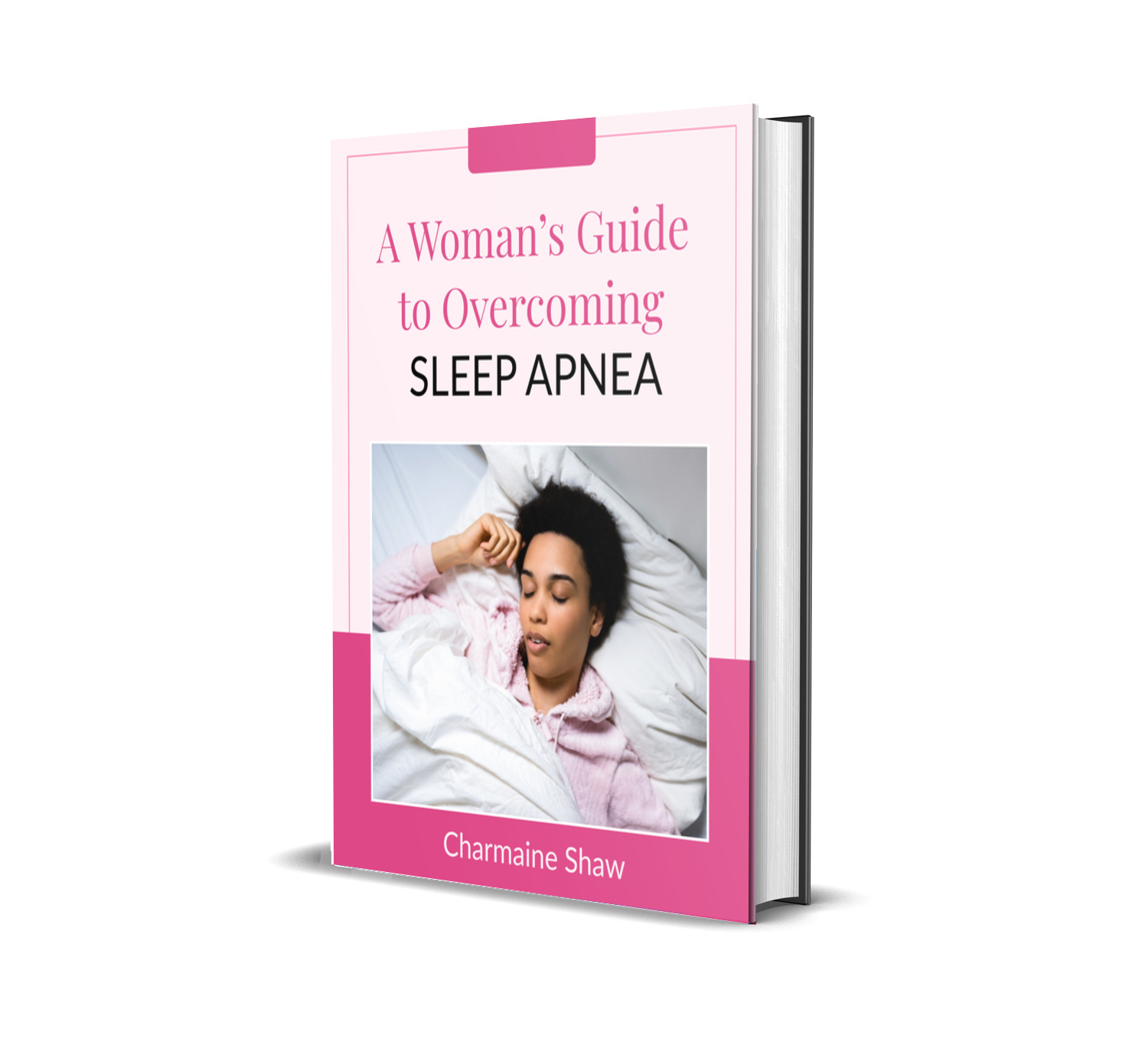
You might be interested in the following sleep resources.
INSOMNIA AND SLEEP APNEA eBooks: DISCOVER HOW TO EXPERIENCE BETTER REST.
Hear me when I say this: insomnia and sleep apnea can feel like a new normal in perimenopause and postmenopause, but you can break free and experience better rest! Get immediate access to the following evidence-based and result-driven eBooks: Sleep Well in Menopause and Women’s Guide to Overcoming Sleep Apnea. Empower yourself and take back your sleep.
As perimenopause draws to a close, sleep challenges often reflect the body’s deeper recalibration. Improving rest becomes one of the most supportive choices during this transition.
#4 – Vaginal Changes Become More Noticeable
Vaginal health often shifts quietly as estrogen levels decline.
Estrogen supports blood flow, elasticity, and moisture in vaginal tissue. As levels fall, tissues become thinner and drier. Some women notice irritation, itching, or discomfort during intimacy⁴.
These changes develop gradually. Many women feel unsure about discussing them. Silence becomes common. Yet research shows that vaginal dryness increases significantly as women move through menopause⁴.
What helps: Awareness opens the door to care. Self-checking matters. Vaginal moisturizers support daily tissue hydration. Lubricants improve comfort during sexual activity. Physical movement enhances circulation. Pelvic floor exercises support tone and strength. For women with more pronounced symptoms, local estrogen therapy can restore moisture and elasticity directly to vaginal tissues⁴. These options help comfort and confidence remain part of daily life.
When vaginal changes become more noticeable, they often signal that estrogen levels have reached a lower, more stable range. This shift commonly appears as perimenopause approaches its end.
Perimenopause Invites a Call to Action
Perimenopause invites listening. It asks for patience. The signs shared here offer context. They help you understand what your body is communicating. They remind you that uncertainty has a reason.
Individually, these signs may feel disconnected. Together, they form a story. Menstrual cycles stretch and fade. Hot flashes shift in rhythm. Sleep demands more care. Vaginal tissues ask for support.
These patterns often appear as perimenopause hands off to postmenopause. They reflect a body adapting to and entering a new stage. Understanding this pattern changes perspective. Instead of waiting for an ending, now is the time to become even more proactive in your health care, as hormones settle into a new baseline. New challenges can manifest in bone health, heart health, metabolic balance, and cognitive clarity, among other central themes.
On the other hand, stress management supports hormonal balance. Sleep quality strengthens resilience. Movement improves circulation and mood. Nourishment fuels energy and repair.
Instead of simply waiting for an ending, your goal now is to prepare for a new beginning, one that invites partnership with your body.
With love and health,
Charmaine
Disclaimer
The information presented here is for informational and educational purposes only and is not intended to be used as medical advice. Any statements or claims about the possible health benefits conferred by any products or lifestyle changes have not been evaluated by medical professionals or the Food & Drug Administration and are not intended to diagnose, treat, cure, or prevent any disease. You should consult your health practitioner before changing your diet, taking supplements, or starting any exercise or health program.
References
- Weiss, Gerson. Menstrual irregularities and the perimenopause. Journal of the Society for Gynecologic Investigation, 2001. https://pubmed.ncbi.nlm.nih.gov/11223378/
- Freeman, Ellen W., Mary D. Sammel, and Hui Lin. Temporal associations of hot flashes and depression in the transition to menopause. Menopause, 2009. https://journals.lww.com/menopausejournal/abstract/2009/16040/temporal_associations_of_hot_flashes_and.21.aspx
- Baker, Fiona C., et al. Sleep and sleep disorders in the menopausal transition. Sleep Medicine Clinics, 2018.
- https://europepmc.org/article/med/30098758
- Waetjen, L. Elaine, et al. Factors associated with developing vaginal dryness symptoms in women transitioning through menopause. Menopause, 2018. https://journals.lww.com/menopausejournal/abstract/2018/10000/factors_associated_with_developing_vaginal_dryness.7.aspx
- Ramar, Kannan, et al. Clinical practice guideline for the treatment of obstructive sleep apnea and snoring with oral appliance therapy. Journal of Clinical Sleep Medicine, 2015. https://jcsm.aasm.org/doi/10.5664/jcsm.4858
- Kravitz, Howard M., et al. Relationship of day-to-day reproductive hormone levels to sleep in midlife women. Archives of Internal Medicine, 2005. https://pubmed.ncbi.nlm.nih.gov/16287766/
Share It!
Related Posts
Hey there,
Charmaine here



Follow Me